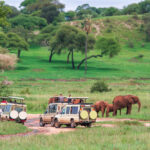
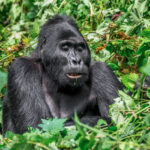
Queen Elizabeth National Park safari offers travellers a focused way to experience Queen Elizabeth National Park in Uganda. Rather than treating the destination as a name on a map, it is better understood through its landscape: savannah plains, crater lakes, wetlands, volcanic features and the Kazinga Channel between Lakes George and Edward. That environment supports elephants, buffaloes, lions, hippos, antelopes, primates and an exceptional diversity of birds, and it creates a travel experience that can feel very different from better-known safari stops elsewhere in East Africa. Visitors who give the area enough time usually notice that the destination is as much about atmosphere, scenery and guiding as it is about headline wildlife.
The signature experiences include game drives, Kazinga Channel boat cruises, crater exploration and wildlife viewing in the Ishasha sector. These can be planned as a dedicated stay or fitted into a broader regional safari, depending on road connections and the traveller’s interests. Turacova Expeditions Safaris recommends building the visit around realistic transfer times and meaningful activities rather than trying to cover too much in one day. The sections below provide practical information for planning a well-paced journey to Queen Elizabeth National Park.
A short visit may reveal only one part of Queen Elizabeth National Park. Spending more time makes it easier to understand the landscape of savannah plains, crater lakes, wetlands, volcanic features and the Kazinga Channel between Lakes George and Edward and to see how changing light, weather and wildlife movement affect the destination. Species such as elephants, buffaloes, lions, hippos, antelopes, primates and an exceptional diversity of birds may be part of the experience, but the journey should not depend on a guaranteed sighting.
The destination is especially suited to travellers interested in game drives, Kazinga Channel boat cruises, crater exploration and wildlife viewing in the Ishasha sector. These experiences benefit from flexible timing because nature does not follow a timetable. A slower plan can also reduce travel fatigue and give guides more freedom to respond to conditions. For Turacova Expeditions Safaris, this balance between structure and flexibility is central to a strong itinerary. At Queen Elizabeth National Park, local conditions can make this point particularly important.
One of the best ways to understand Queen Elizabeth National Park is to look at its habitats. The destination includes savannah plains, crater lakes, wetlands, volcanic features and the Kazinga Channel between Lakes George and Edward. Each component supports different plants and animals and creates different viewing conditions. A change in vegetation can mean a change in birds, grazing species or predator behaviour, while access to permanent or seasonal water often influences wildlife distribution.
For photographers and nature lovers, these transitions are especially important. They provide variety without requiring long transfers. Wide landscapes may be strongest in early or late light, whereas forest and river areas can remain interesting through much of the day. Visitors should also remember that protected areas are connected to wider ecosystems. Wildlife may move beyond administrative boundaries, and communities outside the destination often depend on the same water, grazing or forest resources. Responsible tourism therefore benefits from seeing the destination as part of a larger living landscape. For a well-balanced visit to Queen Elizabeth National Park, this practical detail matters.
The habitats around Queen Elizabeth National Park support elephants, buffaloes, lions, hippos, antelopes, primates and an exceptional diversity of birds. Biodiversity is best appreciated as a network rather than a checklist. Predators depend on prey, grazers depend on vegetation, birds follow insects and water conditions, and many species move between protected and community lands.
Travellers can improve their experience by using binoculars, listening to guides and allowing enough time at sightings. Photography should never pressure a driver or guide to crowd animals or leave designated routes. In primate and marine environments, distance rules and activity regulations are especially important. Respecting these standards protects wildlife and also improves the quality of the encounter. A calm animal behaving naturally is more meaningful than a stressed animal forced into a dramatic photograph. In the context of Queen Elizabeth National Park, it supports a more realistic travel plan.
The activity mix at Queen Elizabeth National Park is centred on game drives, Kazinga Channel boat cruises, crater exploration and wildlife viewing in the Ishasha sector. The best programme is usually one that matches the destination’s natural rhythm. Early starts may be useful for wildlife, hiking may be safer before afternoon heat, and marine trips depend on sea conditions.
For a related but different experience, read Wildlife Safaris. A wider itinerary idea is available through 5-Day Kibale + Queen Elizabeth. These internal links are deliberately contextual so readers can continue planning without being pushed toward pages that repeat the same information. For travellers considering Queen Elizabeth National Park, it is a useful planning principle.
Travellers should also allow for rest. Long transfers, early wake-up calls and physical activities can accumulate fatigue over several days. A balanced itinerary often produces better wildlife observation and better memories than a schedule that looks impressive on paper but is difficult to enjoy. That detail is especially useful when planning time at Queen Elizabeth National Park.
Wildlife viewing is rewarding throughout the year, while seasonal rainfall changes grass height, road conditions and the look of the savannah. Visitors should use this as general guidance because weather patterns can vary from year to year. Rain may arrive early or late, and local conditions can differ within the same region. For Queen Elizabeth National Park, this can influence how the day is paced.
For planning purposes, focus on the activities that matter most. Hiking requires attention to trail conditions; wildlife viewing depends on vegetation and water; birding can benefit from seasonal movement; marine activities depend on wind and visibility. Accommodation demand can also change around holidays and peak travel periods. Booking earlier gives more choice when travelling during popular months, while shoulder periods may offer a quieter feel. It is one reason Queen Elizabeth National Park should be planned on its own terms.
reached by road from Kampala, Fort Portal or Bwindi, with domestic flights also serving airstrips near the park. The most suitable option depends on budget, total trip length and the destinations before and after this stop. Road travel can be valuable because it reveals changing landscapes and everyday life, while flights can save time on long routes. At Queen Elizabeth National Park, local conditions can make this point particularly important.
Transfer estimates should be treated as approximate. Traffic, roadworks, weather, park gates, ferry crossings or stops along the way can change the actual duration. A professional itinerary should therefore avoid placing important activities immediately after a tight transfer. Where possible, arriving with some daylight also makes check-in and orientation easier. Travellers using self-drive arrangements should seek current local advice on road conditions, park rules and fuel availability, especially in remote regions. This helps visitors understand what is genuinely distinctive about Queen Elizabeth National Park.
Community tourism around the park can introduce salt-working traditions, local livelihoods and conservation challenges. Understanding this human context makes the destination more complete because protected areas and tourism rarely exist in isolation. For a well-balanced visit to Queen Elizabeth National Park, this practical detail matters.
Responsible travel means listening before photographing, asking permission, paying fairly for organised community experiences and avoiding staged interactions that misrepresent daily life. Environmentally, visitors should minimise litter, use refillable water systems where practical and follow all park or marine regulations. These actions may seem small, but repeated across many visitors they influence how tourism affects local people and ecosystems. The point is worth keeping in mind when building a route around Queen Elizabeth National Park.
Give Queen Elizabeth National Park enough time to make sense. The combination of savannah plains, crater lakes, wetlands, volcanic features and the Kazinga Channel between Lakes George and Edward deserves more than a rushed arrival and departure. Even where the main activity lasts only a few hours, the surrounding scenery, local context and journey can add meaning.
Pack carefully, listen to local guidance and keep the itinerary realistic. Avoid overpromising wildlife and allow weather to influence the day when necessary. If an activity is physically demanding, plan rest around it. If the destination is remote, prioritise dependable logistics. If it is cultural or community-based, travel with humility and respect. This is part of what gives Queen Elizabeth National Park a destination-specific character.
With these principles in place, Queen Elizabeth National Park can become a memorable part of a wider East African journey. The objective is not simply to visit more places; it is to understand each place better and to connect it naturally with the rest of the safari.
Queen Elizabeth National Park can add depth to an East African itinerary when it is chosen for the right reason. Its landscape, activities and local context should guide the travel plan. Visitors who prepare for the environment, keep expectations flexible and travel responsibly are more likely to leave with a meaningful understanding of the place. Turacova Expeditions Safaris aims to present Queen Elizabeth National Park honestly, with enough detail for planning and without copying the same destination description from one page to another.